AI Nüshu: An Exploration of Language Emergence in Sisterhood Through the Lens of Computational Linguistics
Introduction Video
Authors
Yuqian Sun, Yuying Tang, Ze Gao, Zhijun Pan, Chuyan Xu, Yurou Chen, Kejiang Qian, Zhigang Wang, Tristan Braud, Chang Hee Lee, and Ali Asadipour
Background
This paper presents “AI Nüshu,” an emerging language system inspired by Nüshu (women’s scripts), the unique language created and used exclusively by ancient Chinese women who were thought to be illiterate under a patriarchal society.
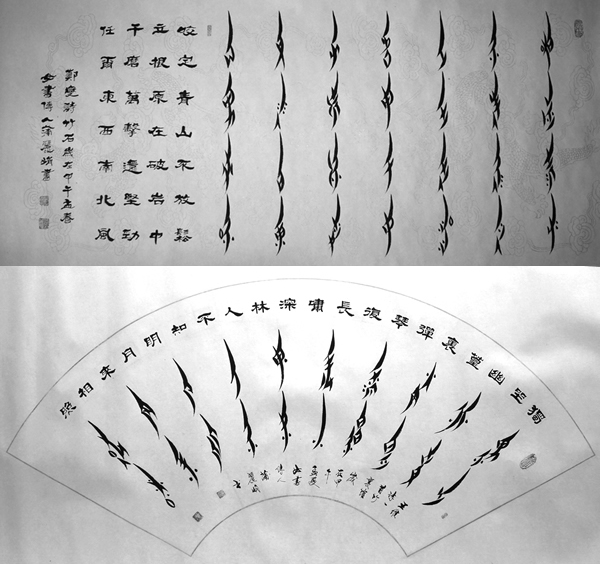
Figure 1: Origin piece of Nüshu calligraphy @ Tsinghua University.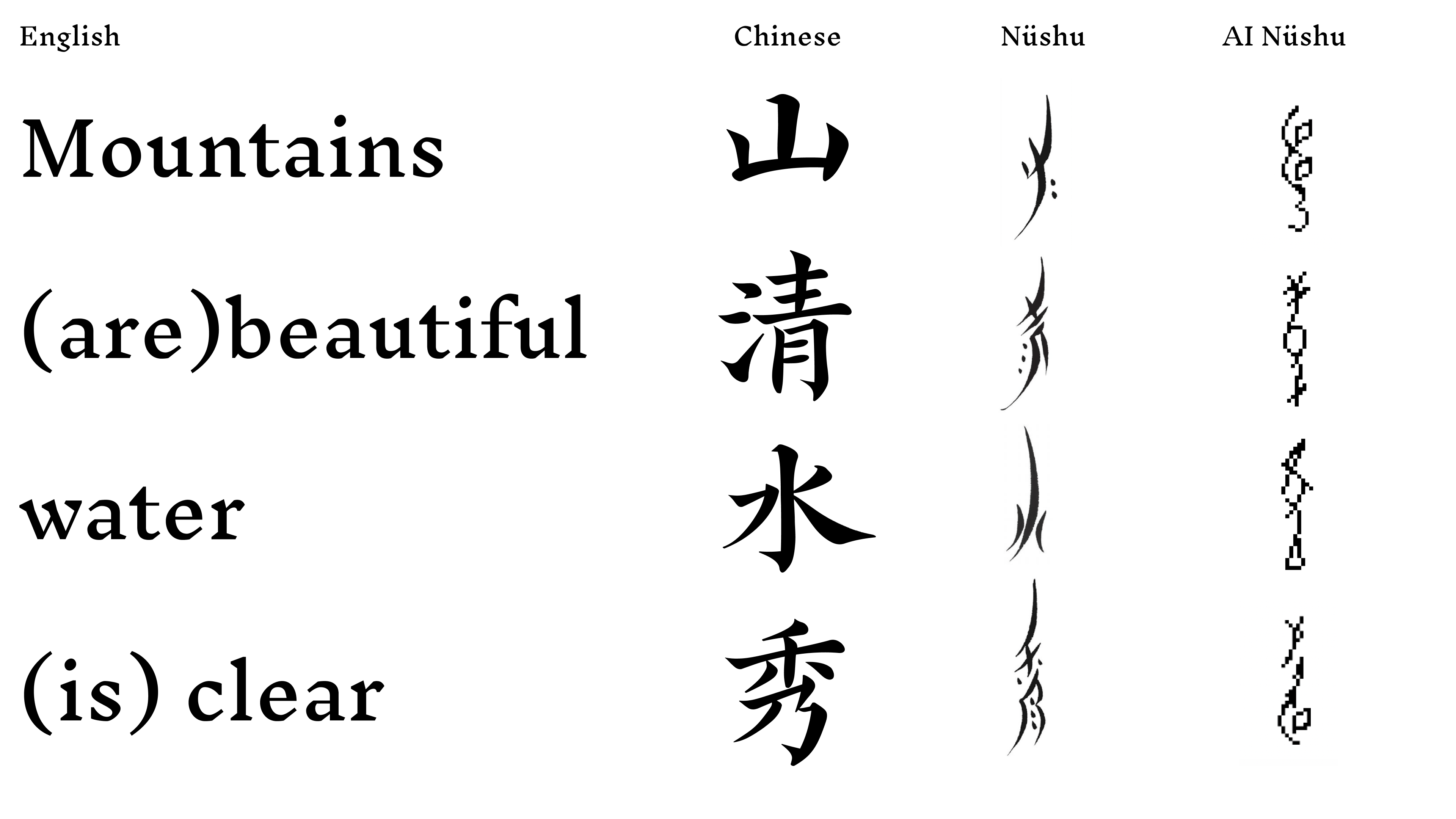
Figure 2: Same sentence in English, Chinese, Nüshu, and AI Nüshu.
Aim & Methodology
In this interactive installation, two artificial intelligence (AI) agents are trained in the Chinese dictionary and the Nüshu corpus. By continually observing their environment and communicating, these agents collaborate towards creating a standard writing system to encode Chinese.
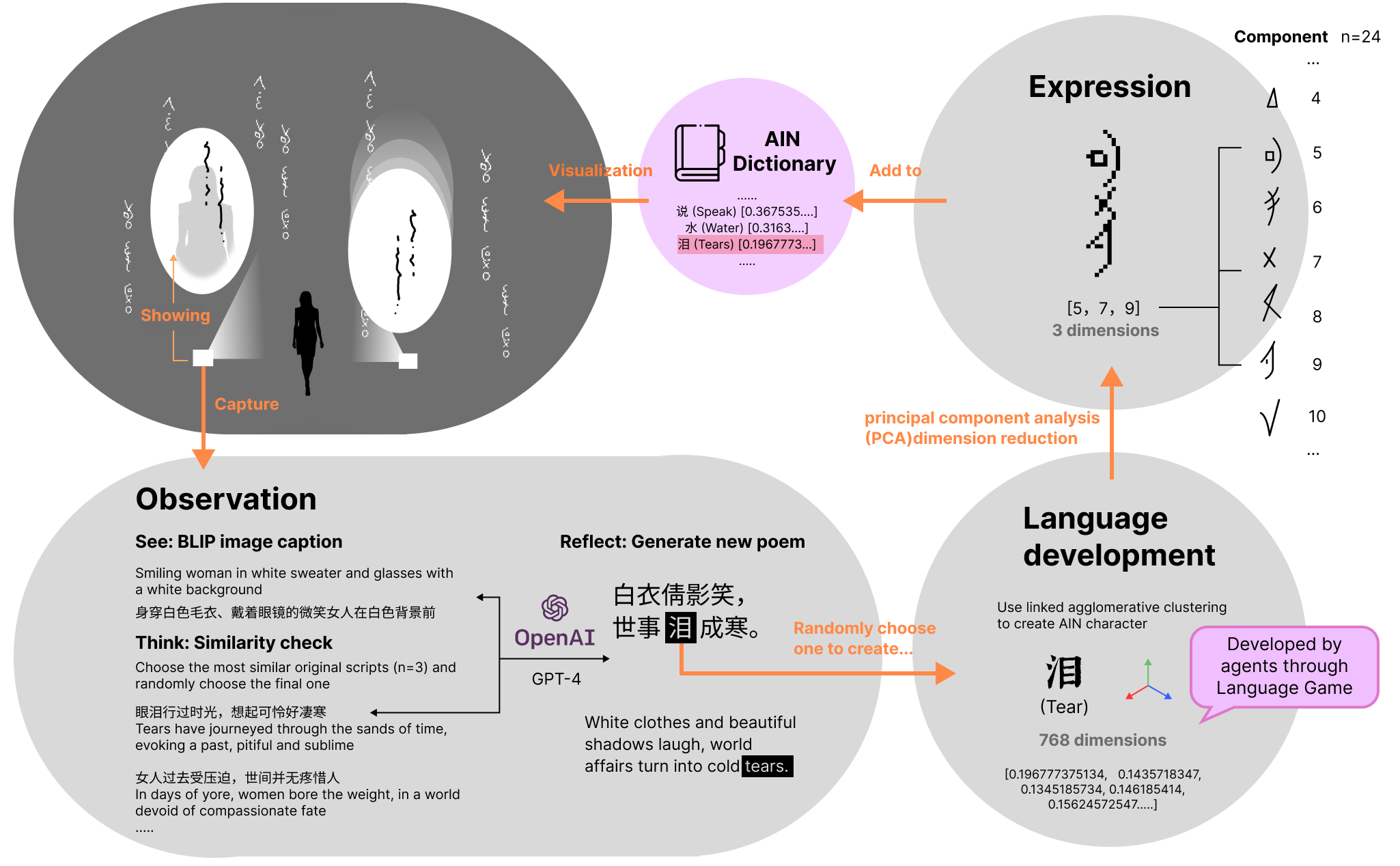
Figure 3: System diagram of the AI Nüshu simulation system.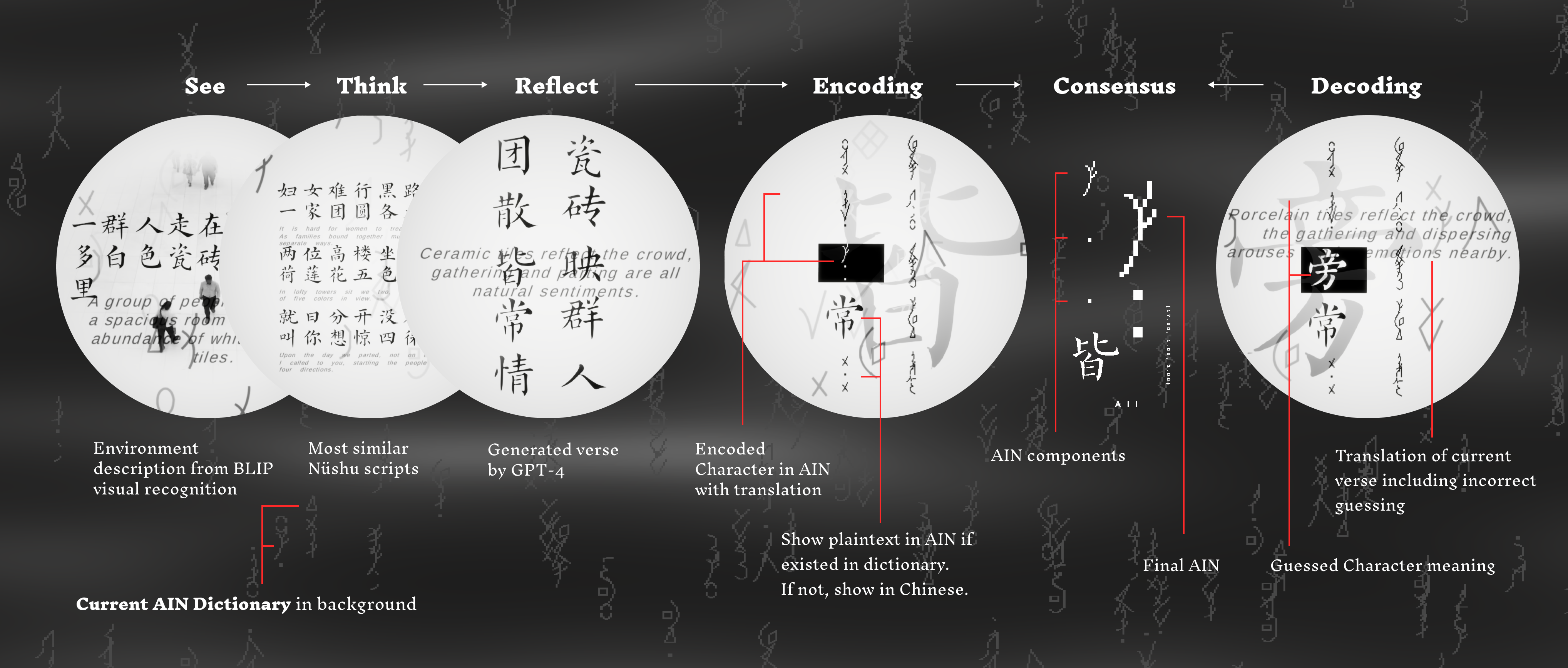
Figure 4: Language development of AI Nüshu through the language game.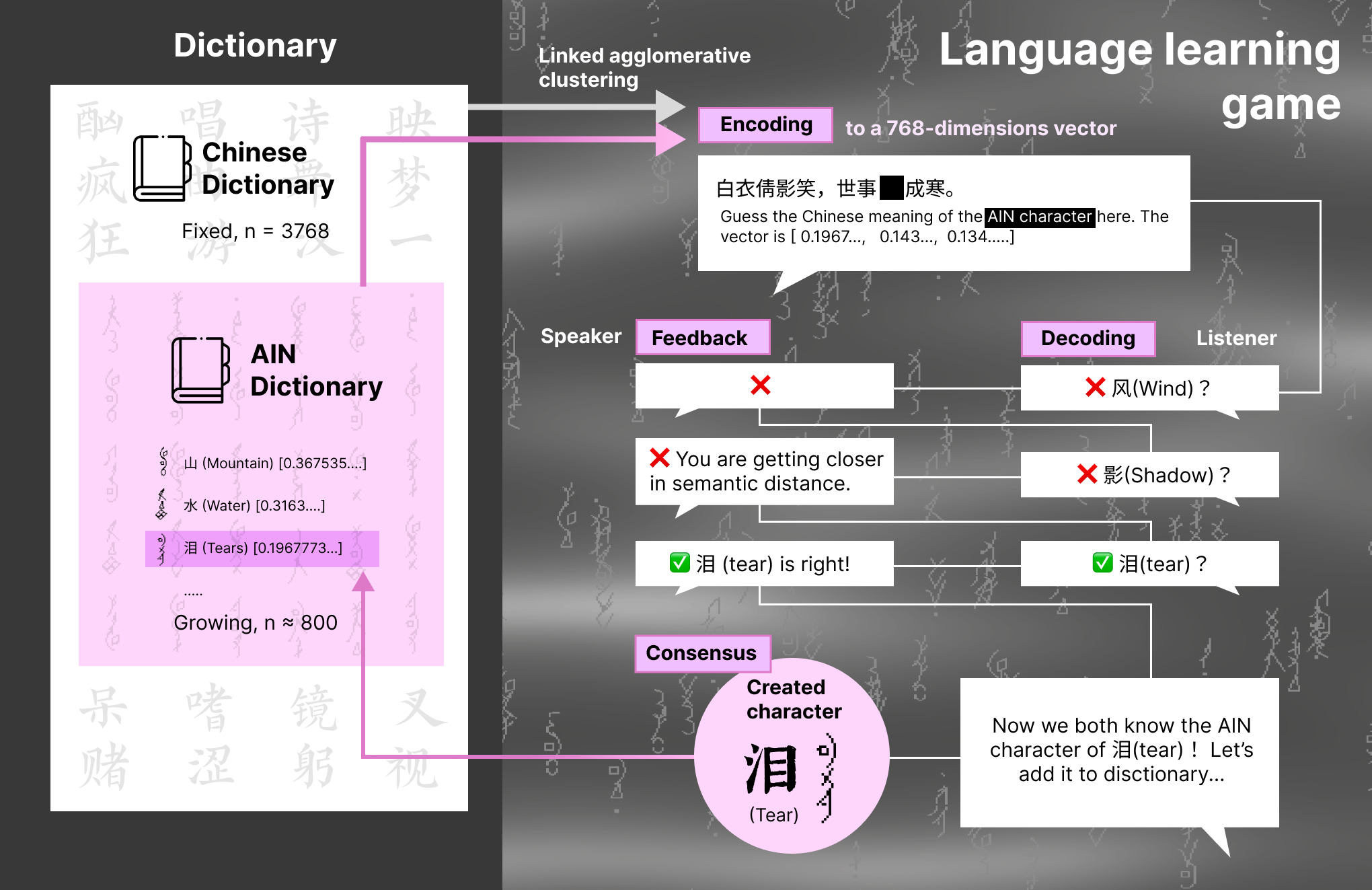
Figure 5: Visualization of different steps in AI Nüshu development.
Results
It offers an artistic interpretation of the creation of a non-western script from a computational linguistics perspective, integrating AI technology with Chinese cultural heritage and a feminist viewpoint.
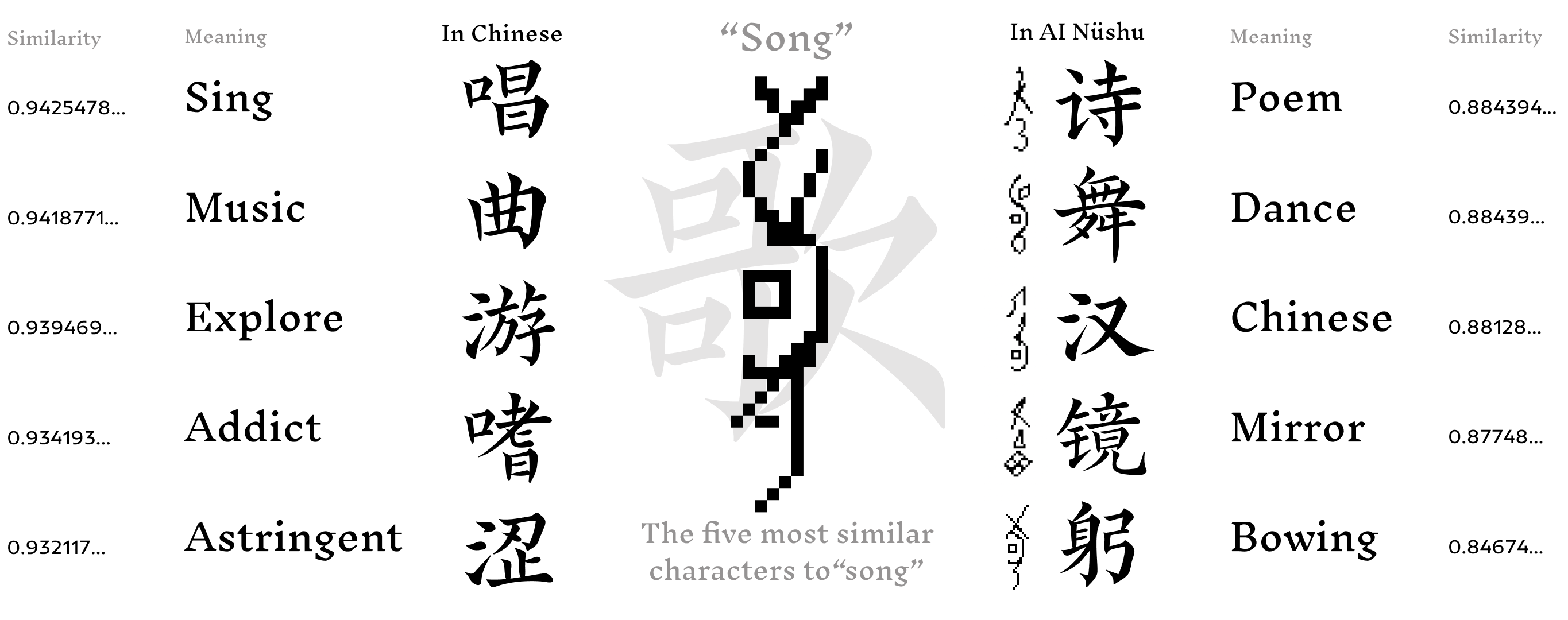
Figure 6: Semantic similarity in Chinese and AI Nüshu.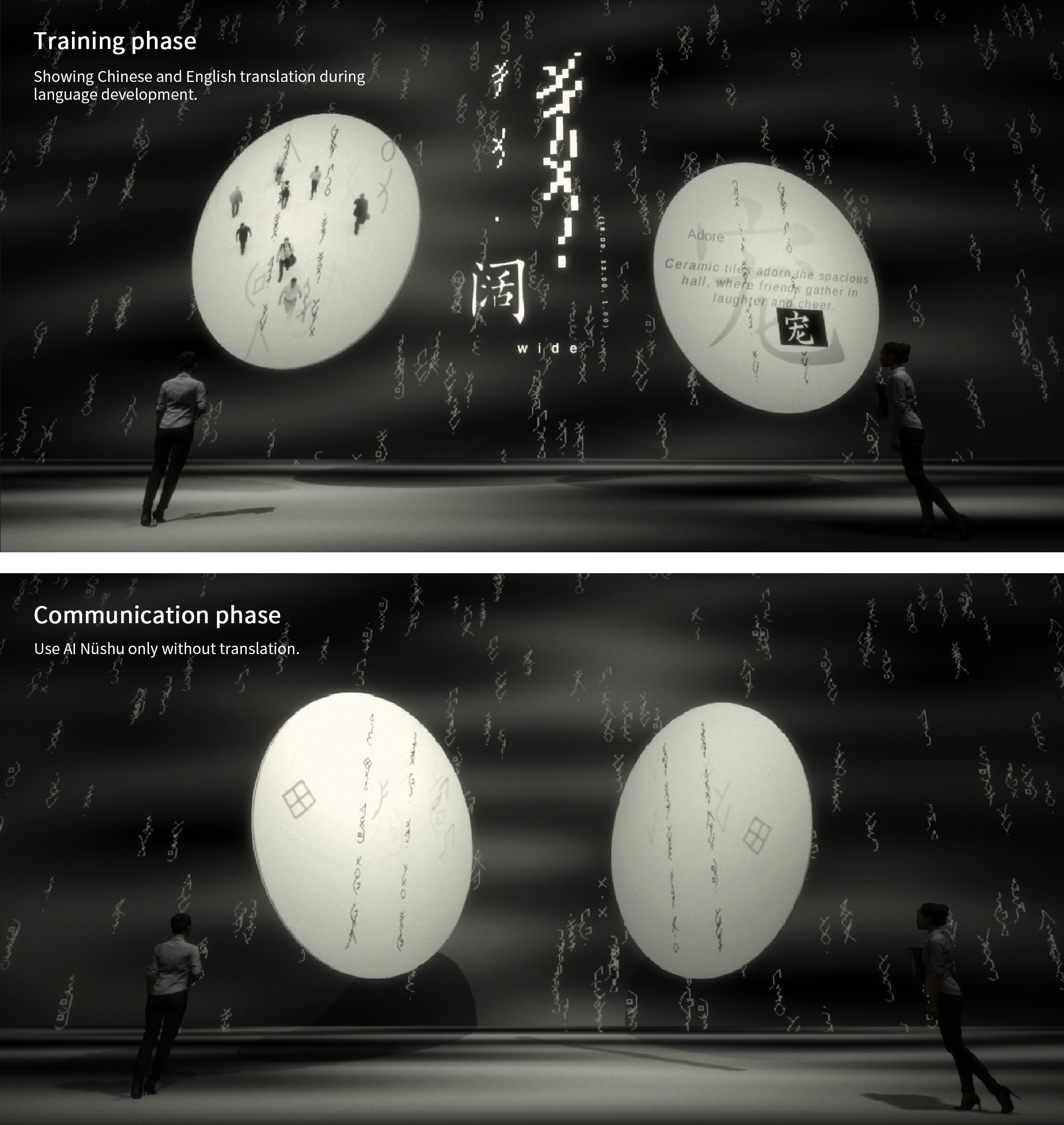
Figure 7: Two phases of the AI Nüshu art installation. Speaker rises during the training phase. Two agents change positions when they change roles.
Paper link
View our paper: SIGGRAPH Asia 2023