DAO Simulation--BDI Model for Simulating Governance in Decentralized Autonomous Organization of Prosocial Urban Development
Demo of Agent-based Simulation
Background
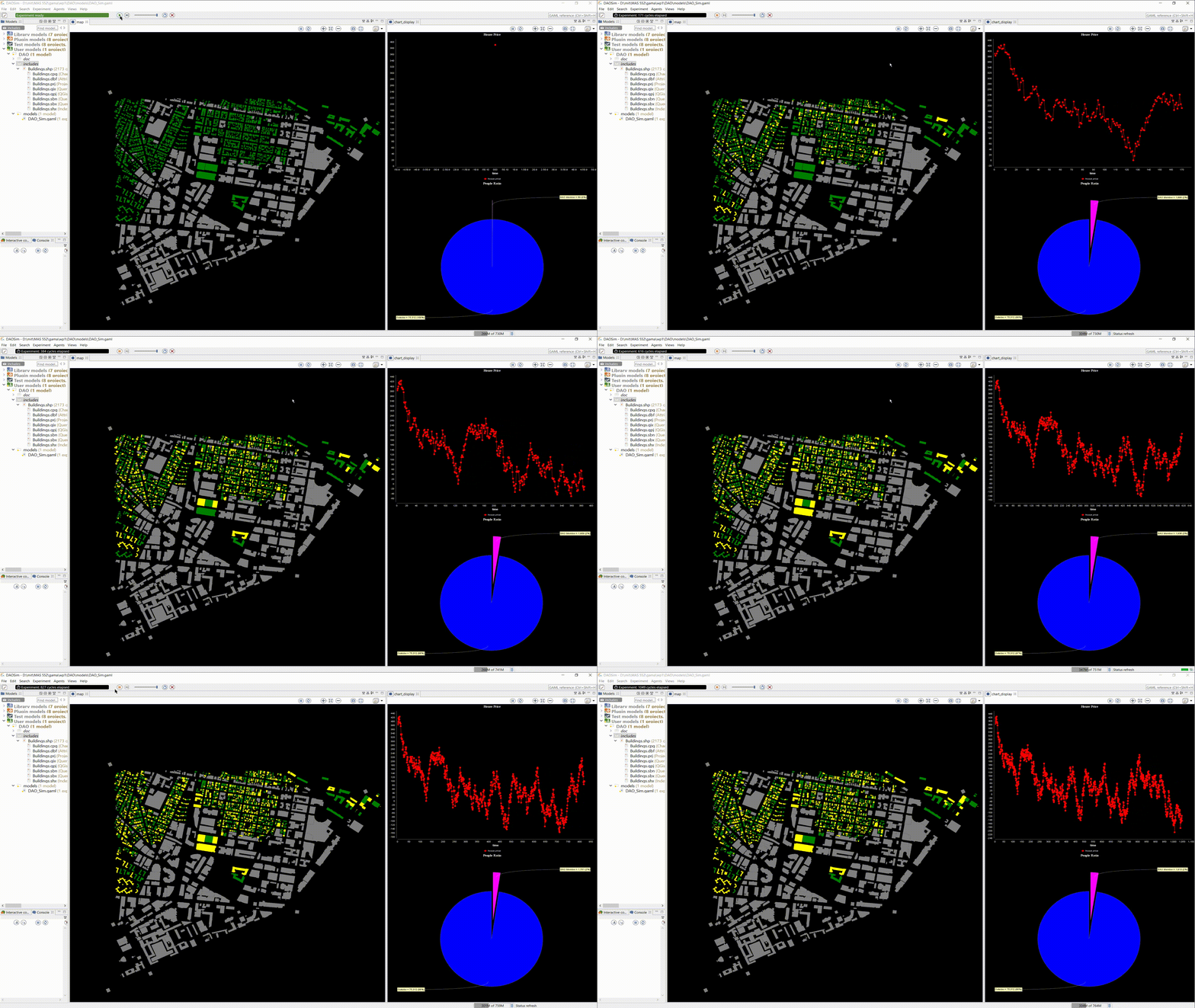
Agent-based modeling is widely used for geospatial modeling in the field of urban planning, including transportation, epidemic transmission, etc., but is rarely applied to social relations modeling that leads to urban policy or organizational design. In the web3.0 era, the Decentralized autonomous organization (DAO) has emerged as a new form of organization that computerized the rules of governance and is controlled by organization members based on the immutable and decentralized smart contract. Due to its novel structures and functions, the number of active DAOs is exploding, expecting to promote societies’ democracy, fairness, and trustfulness. Besides, DAO’s complexity and underlying mechanism present challenges for founders seeking evidence of the rationality of their initial governance designs. Although DAO’s governance design has received academic and practitioner attention, there is still a lack of theories or simulation models ensuring that its governance is valid. Besides, existing models in the literature did not consider the heterogeneity and social connections in DAO’s communities. Therefore, the agent-based modeling(ABM) and Belief-Desire-Intention(BDI) paradigm become a natural choice for governance simulation considering different stakeholders.
Aim & Methodology
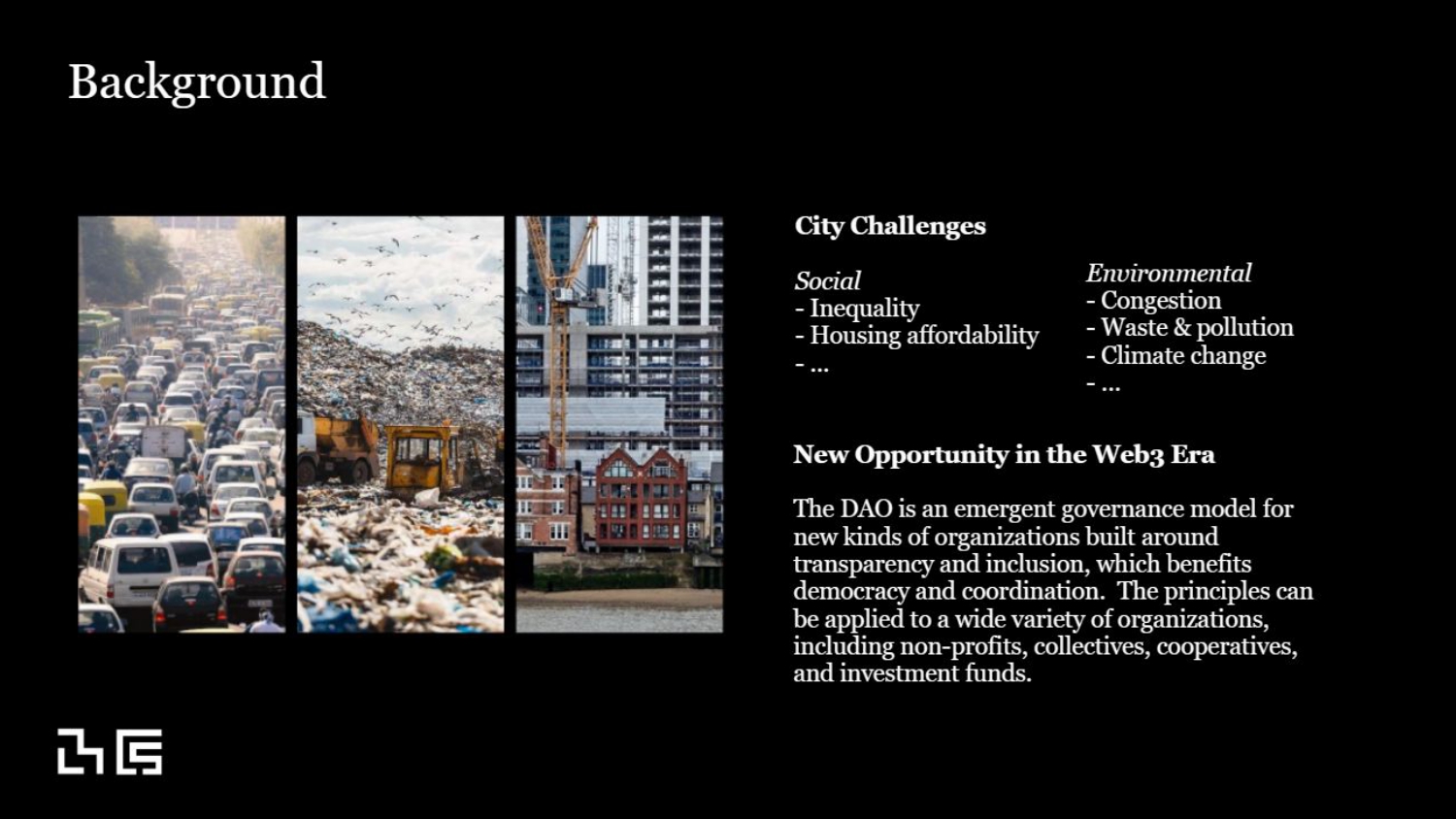
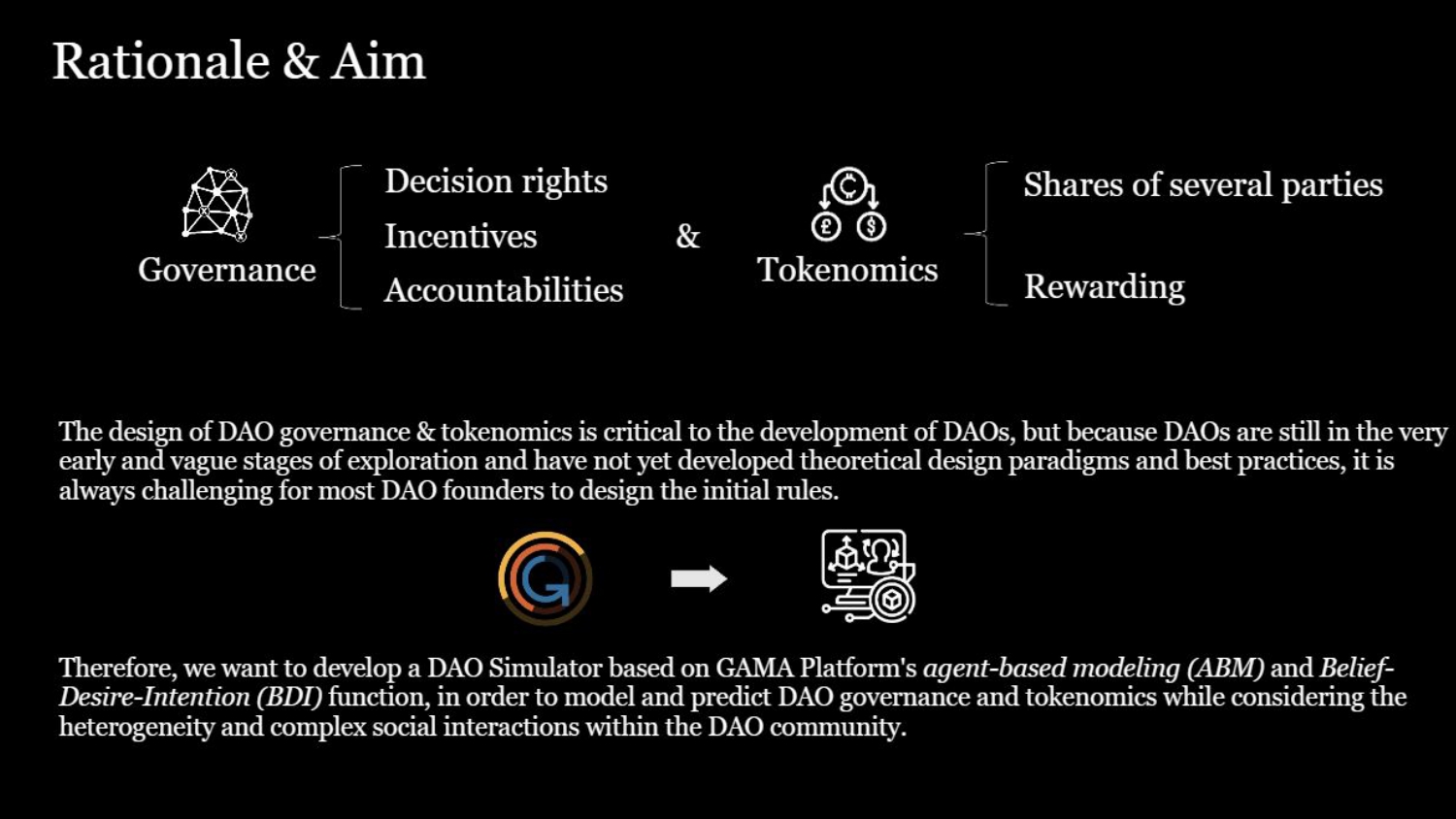
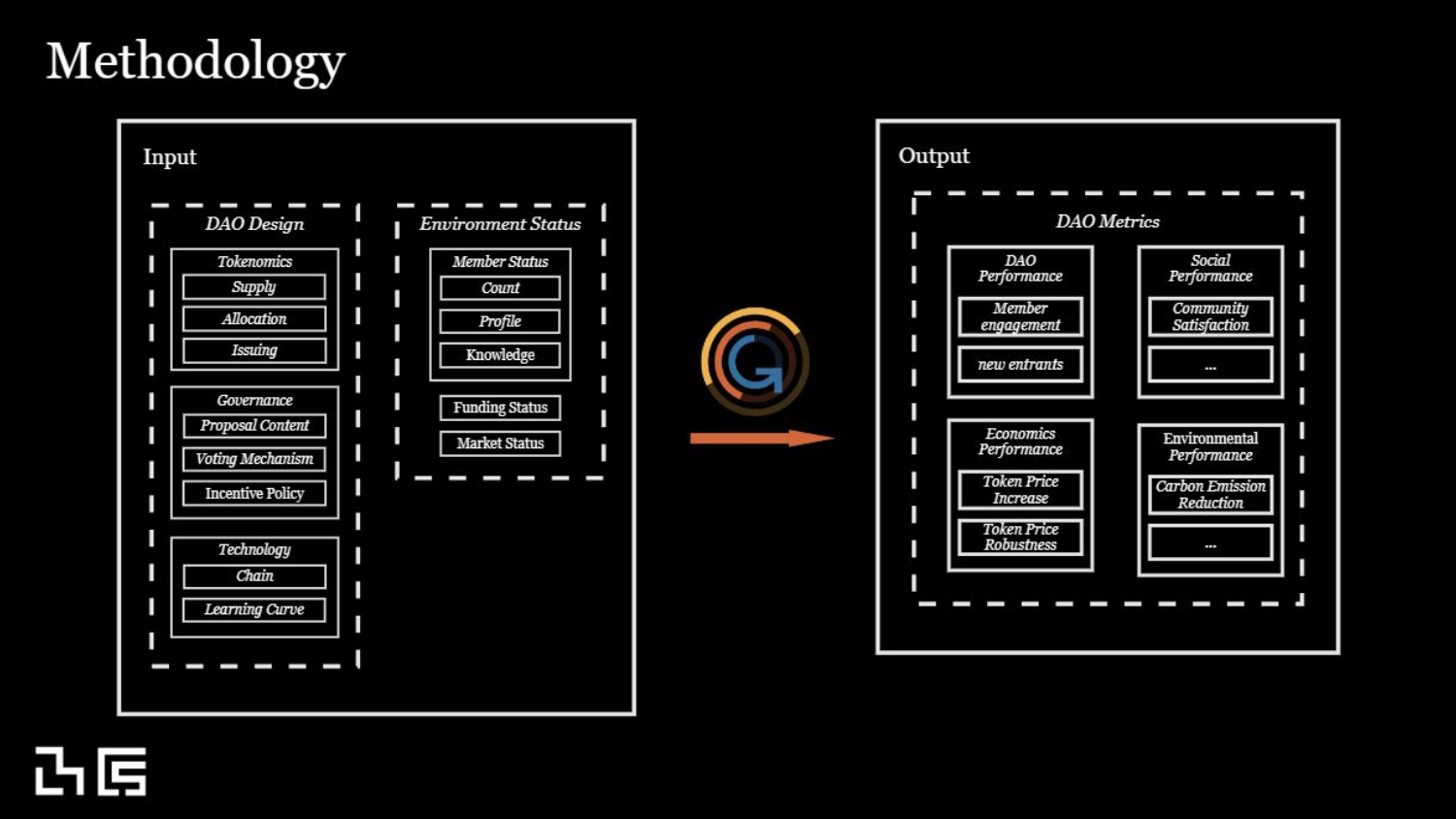
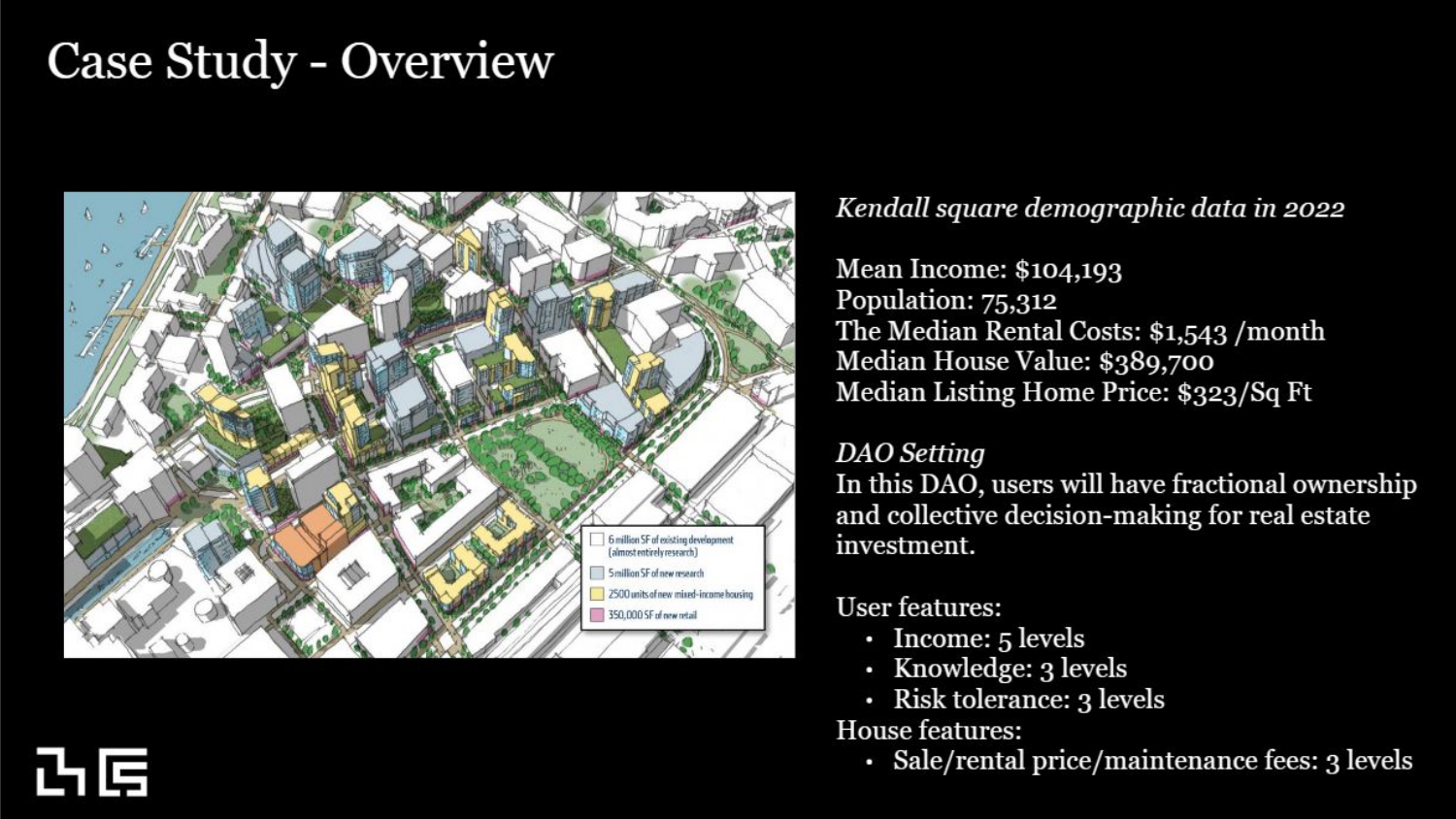
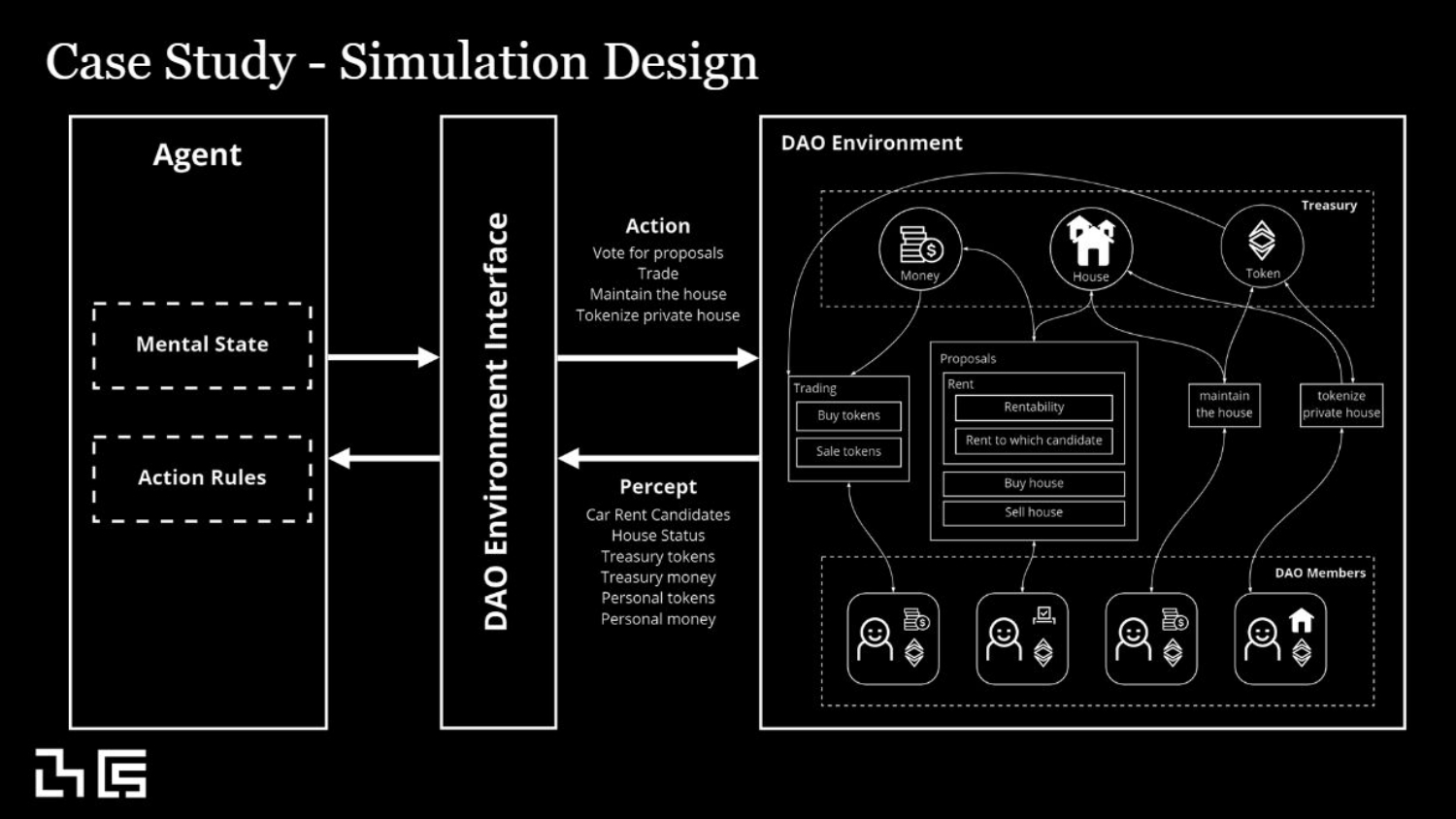
This article presents an agent-based modeling approach with the aim of simulating individual decision-making, the voting process, and the token economy in a DAO based on the GAMA platform. The Belief-Desire-Intention(BDI) agent in GAMA is utilized to introduce DAO members’ interaction and individual features, that have not been considered in existing literature, into this model. In the first place, the goal of DAO members is to maximize the token amount, and we model such a multiagent system as an incomplete information game theory. On top of that, we explore how will information exchange, social relations, and personal inner state influence members’ voting and decision-making. Then, the agents were presented as existing DAO members or potential members by abstracting their various characteristics into personas. Besides, this approach also models token trading through brown motion in a free market with member entry and exit. Apart from that, our model builds indicators of governance performance, including user engagement, governance equity, and the stability of the token economy. Apart from that, this model is applied in the case of the DAO that facilitates fractional ownership in real estate and achieves the goal of affordable housing to evaluate its governance design.
Results
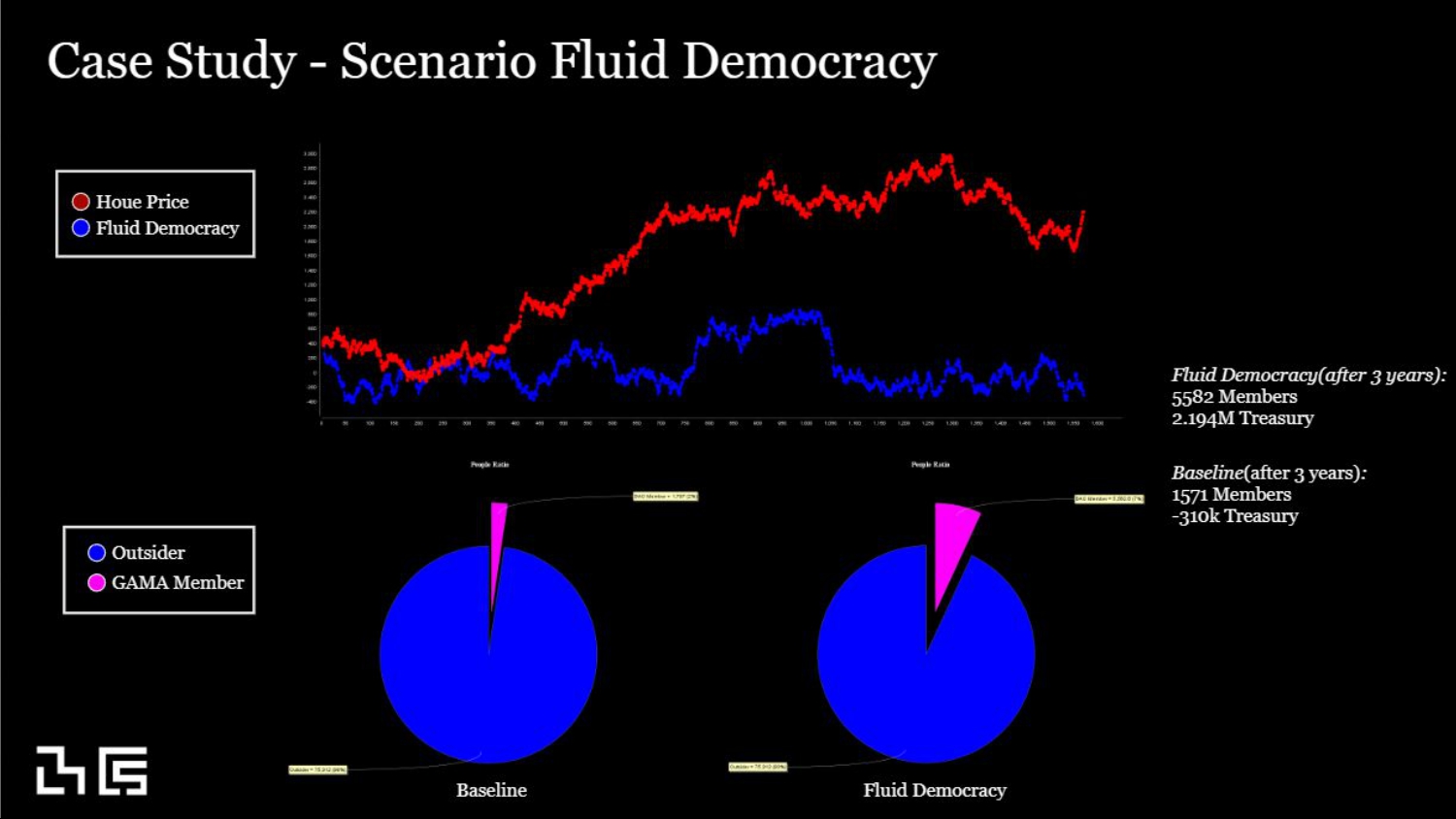
This study fills the gaps of complex DAO governance simulation by implementing agent-based modeling, which enables to determine whether a DAO is robust and sustainable in advance. Besides, based on BDI architecture, the effects of user heterogeneity, inner state, and interactions are considered to promote the practicability and accuracy of this simulation. Finally, this approach simulates the governance design of a fractional ownership DAO which shows a good result, leading to a new tool for facilitating DAO’s governance design to enhance equity, democracy, and efficiency.
Acknowledge
Team: Chance Jiajie Li, Kejiang Qian, and Yan Zhang
Advisor: Luis Alonso, and Kent Larson
Related Links
View our presentation: GAMA days 2022 conference
View our abstract: Proceedings of GAMA days 2022